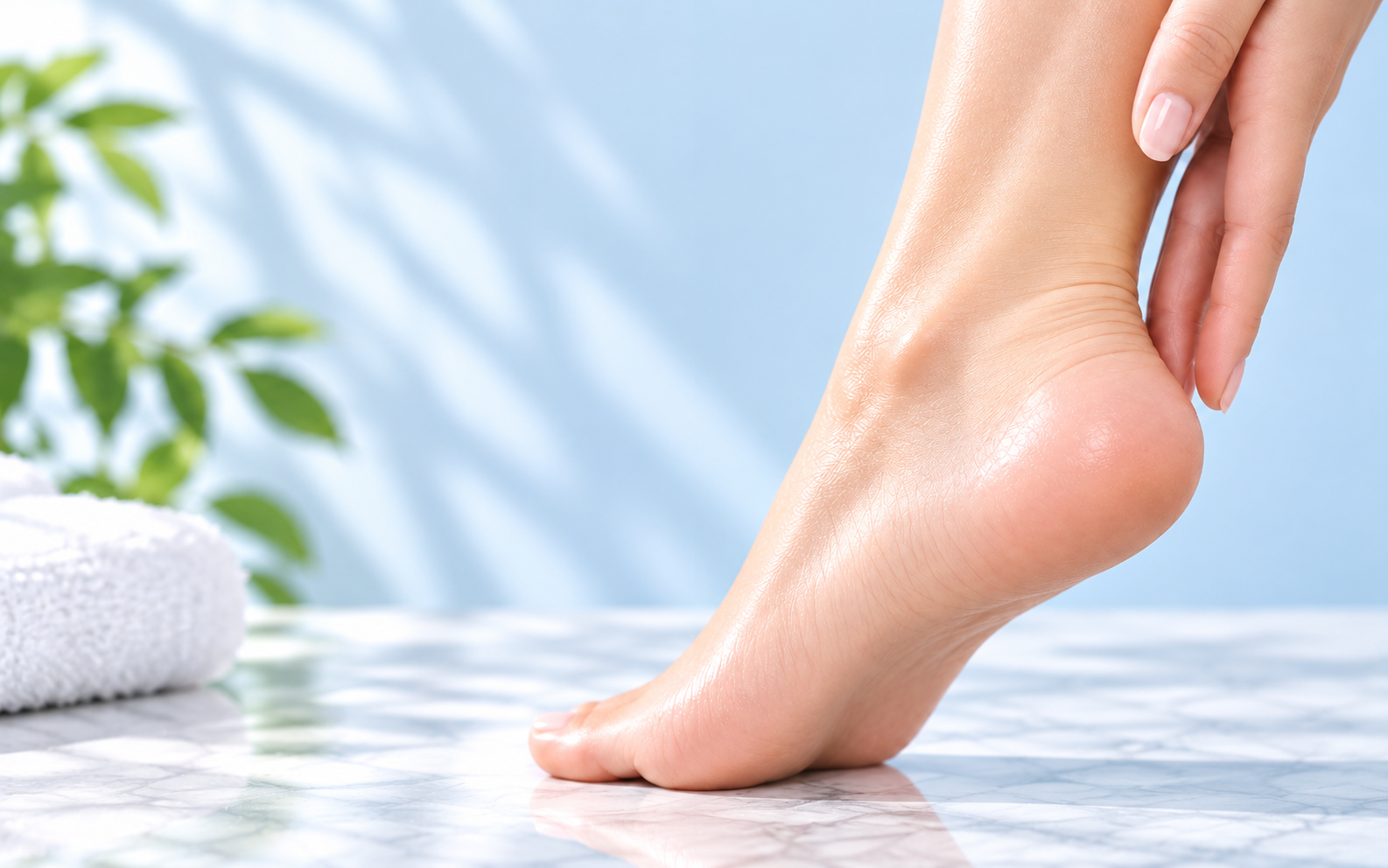
In reality, the condition of our heels not only reflects the circumstances of life but also contributes to physical beauty and, more importantly, our health.
COMMON MISTAKES TO BE AWARE OF
When it comes to foot care, people who pay little attention may think that cracked, dry, rough, hardened, swollen or painful heels are nothing to worry about because they can easily be hidden inside shoes, sandals or beneath clothing that covers the heels.
However, if these cracks are not dealt with as soon as they first appear, they may gradually become deeper, causing pain and discomfort. Dirt and dust can easily accumulate in the cracks, affecting their appearance and, in more serious cases, leading to bleeding and infection, making it difficult to walk.
Cracked heels may also be a warning sign that the body is overweight or obese, or that the diet is lacking in Vitamins A and E and omega-3 fatty acids. In such cases, weight reduction and a diet rich in yellow and red foods such as gac fruit, oranges, papaya and tomatoes, as well as nuts and seeds such as chestnuts, cashews, sunflower seeds and pumpkin seeds, are recommended.
People with diabetes may experience reduced skin sensation due to nerve degeneration, impaired circulation or changes in metabolic function. For this reason, maintaining adequate skin moisture to help prevent bacterial and fungal infections is an important aspect of preventive foot care for people with diabetes.
More seriously, because people with diabetes may have reduced sensitivity to pain and burning sensations in the heels, the skin can become scaly and cracks may develop without being noticed. These cracks can lead to wounds that are difficult to heal, making treatment considerably more challenging and, in severe cases, potentially resulting in amputation or joint removal.
PREVENTION STARTS WITH EVERYDAY CARE
Although the potential consequences can be serious, caring for the feet and preventing these problems can be relatively simple. Alongside good blood glucose control, apply moisturising cream every evening after thoroughly cleaning the heels, and wear socks to help retain moisture while sleeping. With regular care, the heels can gradually regain their natural beauty.
During the COVID-19 pandemic, the original article recommended that if the feet felt cold, they could be soaked in warm water with ginger, lemongrass and a preferred essential oil, followed by a massage of the entire foot. According to the article, just five minutes a day was considered sufficient to care for the feet and help protect against colds.
During the rainy season, soak the feet in warm water, thoroughly clean the heels, remove dead skin cells and keep the toenails clean, so that microorganisms in the surrounding environment do not have an opportunity to settle and eventually attack the body.
During hot weather, when cracked heels may occur more easily, apply a moisturising cream specifically formulated for the feet and wear socks at night while sleeping to help prevent moisture loss from the heel area.
With careful and consistent care for a short period, the heels can regain a smooth, rosy appearance.
This simple beauty can give you greater confidence when walking barefoot into the homes of friends who ask guests to leave their shoes at the door, or when strolling barefoot along the sandy shore of the sea.
Author: Phuong NamSource: This article has been translated and adapted into English from the original article published in Issue No. 26 of Phu Nu Ho Chi Minh City Newspaper on 8 March 2021.