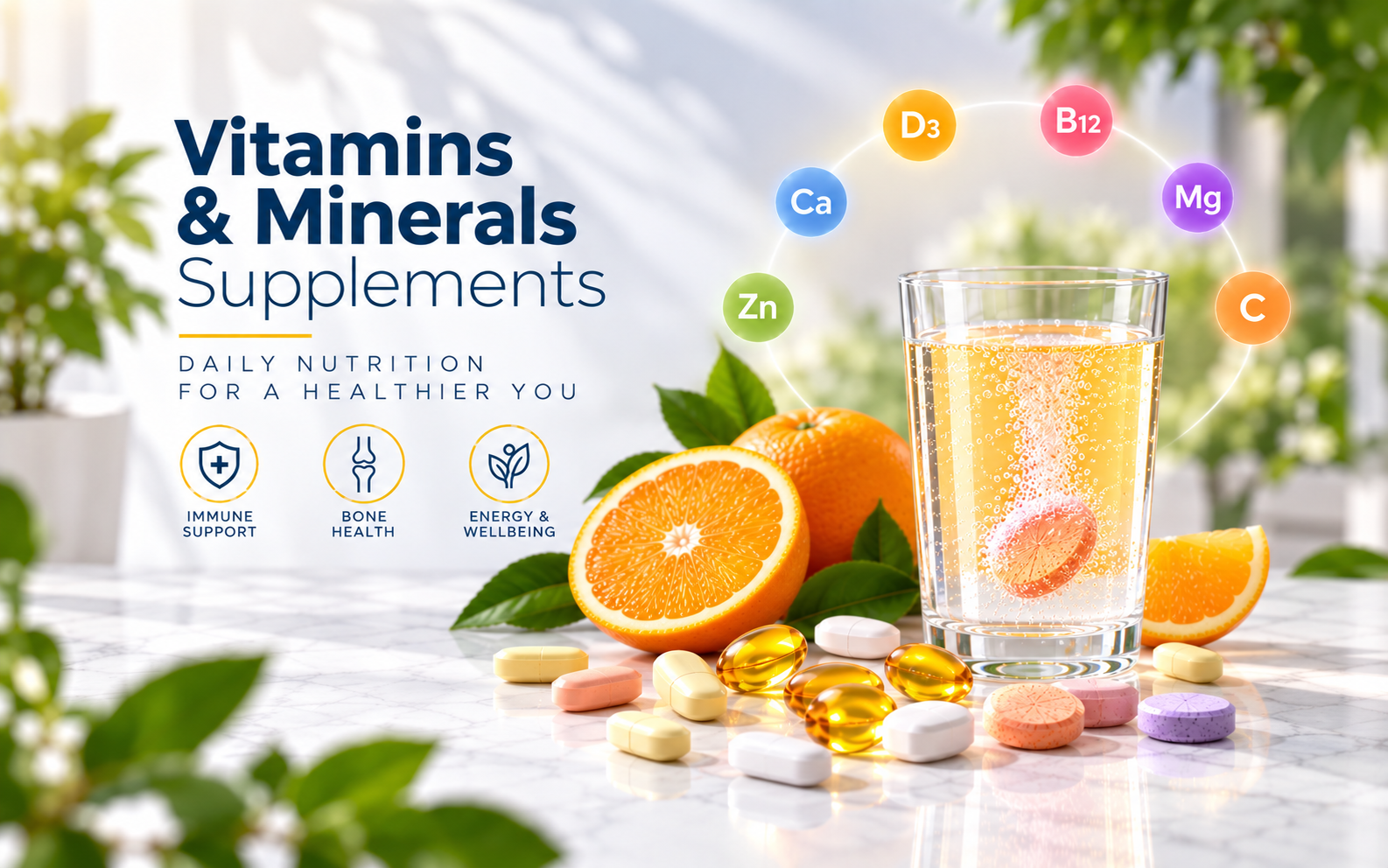
Calcium is an important mineral that plays a key role in bone health. Decreases in estrogen and testosterone that occur with age can negatively affect bone density.
Additionally, increasing age is associated with greater likelihood of lactose intolerance. If you eat fewer lactose products, you could be at greater risk of calcium deficiency.
Women are at a higher risk of osteoporosis, or bone loss, as they get older. A calcium supplement may help preserve bone density, especially if you're not getting enough calcium from foods. Women require this increase sooner than men.
Bellow are the current recommendations from the National Institute of Health:
Additionally, increasing age is associated with greater likelihood of lactose intolerance. If you eat fewer lactose products, you could be at greater risk of calcium deficiency.
Women are at a higher risk of osteoporosis, or bone loss, as they get older. A calcium supplement may help preserve bone density, especially if you're not getting enough calcium from foods. Women require this increase sooner than men.
Bellow are the current recommendations from the National Institute of Health:
- Women ages 50 and younger: 1,000 mg per day
- Men ages 70 and younger: 1,000 mg per day
- Women over ages 50: 1,200 mg per day
- Men over age 70: 1,200 mg per day
Vitamin D sometimes called the "sunshine vitamin", vitamin D is fat-soluble vitamin produced by your skin in response to sun exposure. Since it's only found in small amounts in foods, people who don't get regular sun exposure may be at risk of vitamin D deficiency.
Oldes adults may be at risk of vitamin D deficiency as they may avoid the sun to reduce the risk of skin cancer or spend more time indoors.
Additionally, certain medications can reduce your vitamin D levels, including:
- orlistat
- statins
- steroids
- anticonvulsants (phenytoin, carbamazepine)
- rifampin
- cholestyramine
Take care if you are taking thiazide diuretics with vitamin D supplements, since it can run the risk of calcium buildup in the body. This is because Vitamin D also helps with calcium absorption, and thiazide diuretics reduce how much calcium you excrete.
Full article here:
Gunnars, K. (2022). A Definitive Guide to Supplements for Healthy Aging. Healthline. Retrieved from https://www.healthline.com/nutrition/a-definitive-guide-to-supplements-for-healthy-aging#supplements
Full article here:
Gunnars, K. (2022). A Definitive Guide to Supplements for Healthy Aging. Healthline. Retrieved from https://www.healthline.com/nutrition/a-definitive-guide-to-supplements-for-healthy-aging#supplements