
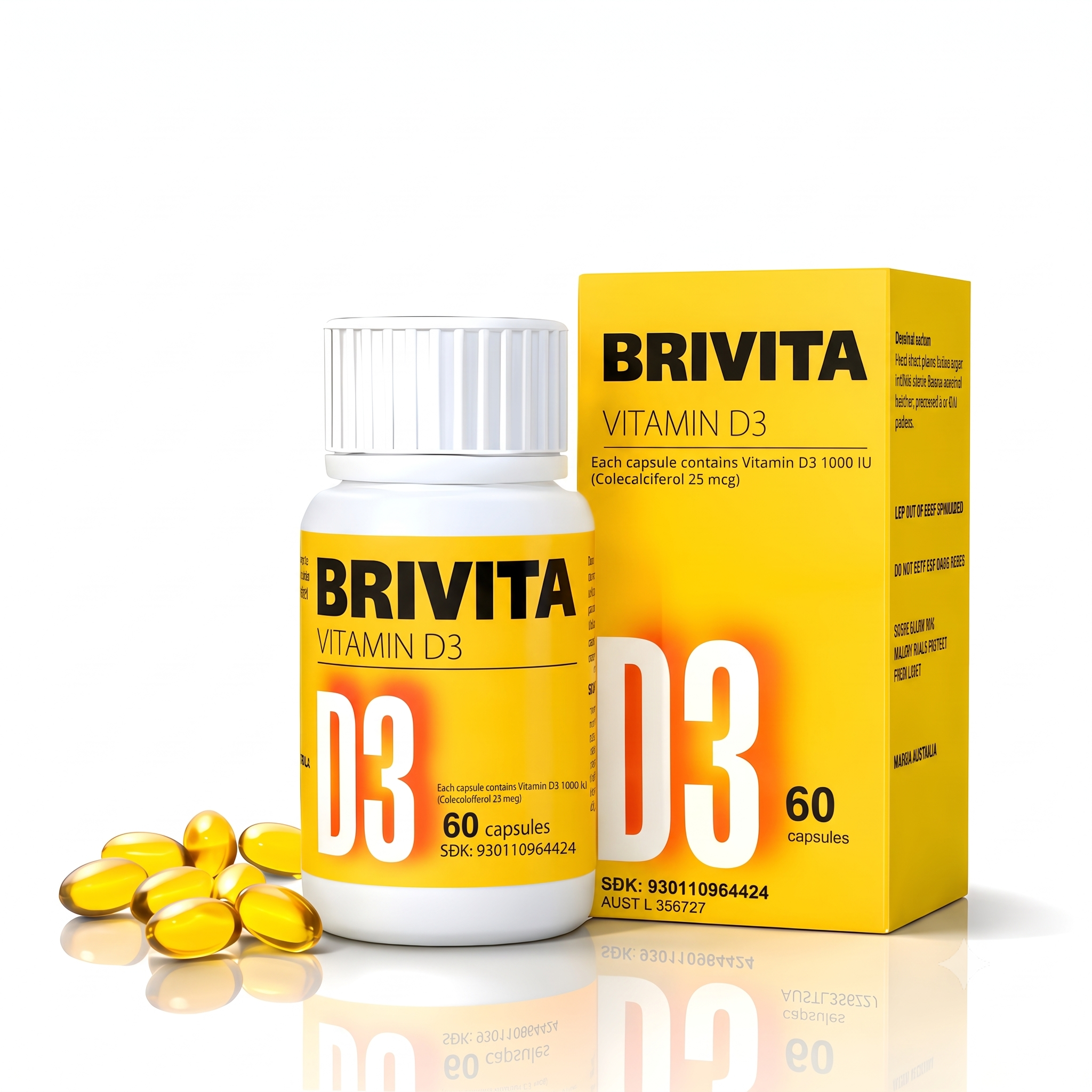
BRIVITA VITAMIN D3
Vitamin D3 is the body’s natural form of Vitamin D – essential for the efficient absorption of calcium and phosphorus which is vital for strong bones, muscle development and the immune system
This medicine should only be used on prescription. Read the instructions carefully before use. If you need further information, consult your doctor or pharmacist.
Each capsule contains:
Colecalciferol 25 mcg, equivalent to Vitamin D3 1000 I.U.
Excipients: Rice bran oil, Glycerol, Gelatin.
Therapeutic indications
- Treatment of vitamin D deficiency
- Prevention of vitamin D deficiency in high risk patients
- As an adjunct to specific therapy for osteoporosis in patients with vitamin D deficiency or at risk of vitamin D insufficiency
- Colecalciferol is also used to assist in the treatment of common lupus, rheumatoid arthritis and psoriasis.
Posology and method of administration
Adults and the elderly
- Prevention of vitamin D deficiency :1 capsule daily, may be taken with or without meals
- Treatment of vitamin D insufficiency ( serum levels 25 – 50 nmol/l or 10 – 20 ng/ml ): 1-4 capsules daily for up to 10 weeks or as directed by the doctor.
- Osteoporosis : 1 capsule daily. Patients should receive supplement calcium if intake from diet is inadequate
- Vitamin D deficiency or insufficiency: 1 capsule daily. Should only be given under medical supervision
Hepatic impairment : No dose adjustment is necessary for patients with hepatic impairment
Method of administration : Oral. The capsules must be swallowed whole ( not chewed ) with water
Contraindications
- Diseases and/or conditions associated hypercalcaemia and/or hypercalciuria
- Calcium nephrolithiasis, nephrocalcinosis, D-hypervitaminosis.
- Severe renal impairment
Special warnings and precautions for use
Colecalciferol should not be taken by patients with a tendency to form calcium-containing renal calculi.
Caution is required in patients receiving treatment for cardiovascular disease
(see section 4.5 – cardiac glycosides including digitalis).
Colecalciferol should be prescribed with caution to patients suffering from sarcoidosis because of the risk of increased metabolism of vitamin D to its active form. These patients should be monitored with regard to the calcium content in serum and urine.
Allowances should be made for vitamin D supplements, other vitamin D containing medicines or from other sources.
The need for additional calcium supplementation should be considered for individual patients. Calcium supplements should be given under close medical supervision.
Medical supervision is required whilst on treatment to prevent hypercalcaemia.
Brivita contains glycerol 45.58mg/capsule
Glycerol also known as glycerine, is an odorless, colorless, oily, viscous liquid that has a sweet taste.
Glycerin occurs naturally in animal and vegetable fats and oils that are consumed as part of a normal diet. Glycerin is readily absorbed from the intestine and is either metabolized to carbon dioxide and glycogen or used in the synthesis of body fats.
Glycerin is used in a wide variety of pharmaceutical formulations including oral, ophthalmic, parenteral, and topical preparations. Adverse effects are mainly due to the dehydrating properties of glycerin.
The U.S. Food and Drug Administration (FDA) classify glycerin as “generally recognized as safe” (GRAS). The overall risk of toxicity from glycerin found in pharmaceutical products is low. When used as an excipient or food additive, glycerin is not usually associated with any adverse effects and is generally regarded as a nontoxic and nonirritant material.
If contact with large, bulk quantities of glycerin, eye irritation may occur. Prolonged, excessive ingestion can cause elevated blood sugar or fat levels in the blood.
Interaction with other medicinal products and other forms of interaction
- Patients treated with cardiac glycosides may be susceptible to high calcium levels and should have ECG parameters and calcium levels monitored. It is recommended to reduce the dose or interrupt treatment if the calcium content in the urine exceeds 7.5 mmol/24 hours (300 mg/24 hours).
- Simultaneous administration of benzothiadiazine derivatives (thiazide diuretics) increases the risk of hypercalcaemia because they decrease the calcium excretion in the urine. The calcium levels in plasma and urine should therefore be monitored for patients undergoing long-term treatment.
- If Colecalciferol is combined with metabolites or analogues of vitamin D careful monitoring of serum calcium levels is recommended. Check the label on all prescription and over-the-counter medications / herbal products (such as antacids, laxatives, vitamins) if you are using them because they may contain calcium, magnesium, phosphate or vitamin D. Vitamin D is very similar to calcitriol. Do not use medications containing calcitriol while using vitamin D.
- Anti-convulsants e.g. phenytoin, phenobarbital, primidone may diminish the effect of Colecalciferol due to hepatic enzyme induction.
- Rifampicin may reduce the effectiveness of Colecalciferol due to hepatic enzyme induction.
- Isoniazid may reduce the effectiveness of Colecalciferol due to inhibition of the metabolic activation of Colecalciferol.
- Drugs leading to fat malabsorption, e.g. orlistat, liquid paraffin, cholestyramine, may impair the absorption of Colecalciferol.
- The cytotoxic agent actinomycin and imidazole antifungal agents interfere with vitamin D activity by inhibiting the conversion of 25-hydroxyvitamin D to 1,25-dihydroxyvitamin D by the kidney enzyme, 25-hydroxyvitamin D-1-hydroxylase.
Concomitant use of glucocorticoids can decrease the effect of vitamin D.
Pregnancy and lactation
Colecalciferol should not be used during pregnancy unless the clinical condition of the woman requires treatment with colecalciferol, at a dose necessary to overcome the deficiency.
During pregnancy women should follow the advice of their medical practitioner as their requirements may vary depending on the severity of their disease and their response to treatment.
Based on human experience and animal studies, vitamin D overdose causes physical and mental disability and congenital heart and eye conditions, due to hypercalcaemia, when administered during pregnancy.
Lactation
Vitamin D and its metabolites are excreted in breast milk. Overdose in infants induced by nursing mothers has not been observed. However, when prescribing additional vitamin D to a breast-fed child the practitioner should consider the dose of any additional vitamin D given to the mother.
Effects on ability to drive and use machines
Undesirable effects
Adverse reactions are listed below, by system organ class and frequency.
Metabolism and nutrition disorders
- Uncommon: Hypercalcaemia, hypercalciuria
- Rare : Pruritus,Rash, Urticaria
Overdose and treatment of overdose
Some children may increase their response to a small amount of vitamin D. In adults, hypervitaminosis D may be due to the use of vitamin D overdose in the case of hypoparathyroidism or prefer to take vitamin D in too high a dose weirdly
The amount of vitamin D that causes hypervitaminosis D varies widely from person to person. Normally, in normal people (parathyroid function and vitamin D sensitivity) continuous intake of 50,000 units or more of vitamin D / daily, may be contaminated with vitamin D toxicity. Hypervitaminosis D is particularly dangerous for people who are taking digitalis, because the toxicity of cardiac glycosides increases with hypercalcemia.
Early signs and symptoms of hypervitaminosis D are signs and symptoms of hypercalcemia
Symptoms:
Acute or chronic overdose of Colecalciferol can cause hypercalcaemia, an increase in the serum and urinary concentrations of calcium. The symptoms of hypercalcaemia are not very specific and consist of nausea, vomiting, diarrhoea often in the early stages and later constipation, anorexia, fatigue, headache, muscle and joint pain, muscle weakness, polydipsia, polyuria formation of renal calculi, nephrocalcinosis, kidney failure, calcification of soft tissues, changes in ECG measurements, arrhythmias and pancreatitis. In rare and isolated cases there are reports that hypercalcaemia is fatal.
Treatment of overdose
- A normalisation of hypercalcaemia due to vitamin D intoxication lasts several weeks. The recommendation for the treatment of hypercalcaemia is the avoidance of any further administration of vitamin D, including supplements, dietary intakes and the avoidance of sunlight. A low calcium or calcium-free diet can also be considered.
- Rehydration and the treatment with diuretics e.g. furosemide to ensure adequate diuresis should be considered. Additional treatment with calcitonin or corticosteroids can also be considered.
- Phosphate infusions should not be administered to lower hypercalcaemia of hypervitaminosis D because of the dangers of metastatic calcification.
Pharmacodynamic properties
ATC code: A11CC05
Colecalciferol is produced within the skin under the influence of UV radiation including sunlight. In its biologically active form, Colecalciferol stimulates intestinal calcium absorption, incorporation of calcium into the osteoid, and release of calcium from bone tissue. In the small intestine it promotes rapid and delayed calcium uptake. The passive and active transport of phosphate is also stimulated. In the kidney, it inhibits the excretion of calcium and phosphate by promoting tubular resorption. The production of parathyroid hormone (PTH) in the parathyroids is inhibited directly by the biologically active form of Colecalciferol. PTH secretion is inhibited additionally by the increased calcium uptake in the small intestine under the influence of biologically active Colecalciferol.
Pharmacokinetic properties
Colecalciferol is metabolised by microsomal hydroxylase to form 25-hydroxycolecalciferol (25(OH)D3, calcidiol), the primary storage form of vitamin D3. 25(OH)D3 undergoes a secondary hydroxylation within the kidney to form the predominant active metabolite 1,25-hydroxycolecalciferol (1,25(OH)2D3, calcitriol). The metabolites circulate in the blood bound to a specific α-globin.
After a single oral dose of Colecalciferol, the maximum serum concentrations of the primary storage form are reached after approximately 7 days. 25(OH)D3 is then slowly eliminated with an apparent half-life in serum of about 50 days. Colecalciferol and its metabolites are excreted mainly in the bile and faeces.
After high doses of Colecalciferol, serum concentrations of 25(OH)D3 may be increased for months. Overdose-induced hypercalcaemia may persist for weeks (see 4.9 "Overdose”).
Colecalciferol and its metabolites are excreted mainly in bile and faeces, only a small amount appears in the urine. Vitamin D3 can be passed into milk.
Pre-clinical safety data
Colecalciferol overdosage in animals has been shown to induce malformations in rats, mice and rabbits at doses significantly higher than the human dose. The malformations included skeletal defects, microcephaly and cardiac malformations.
At doses equivalent to those used therapeutically, Colecalciferol has no teratogenic activity.
Colecalciferol has no potential mutagenic or carcinogenic activity.
Incompatibilities
Shelf life
Special precautions for Storage
Marketing authorisation number
Marketing authorisation holder
Suite106/10 Edgeworth David Avenue, Hornsby NSW 2077, Australia
Same Category
Related Products
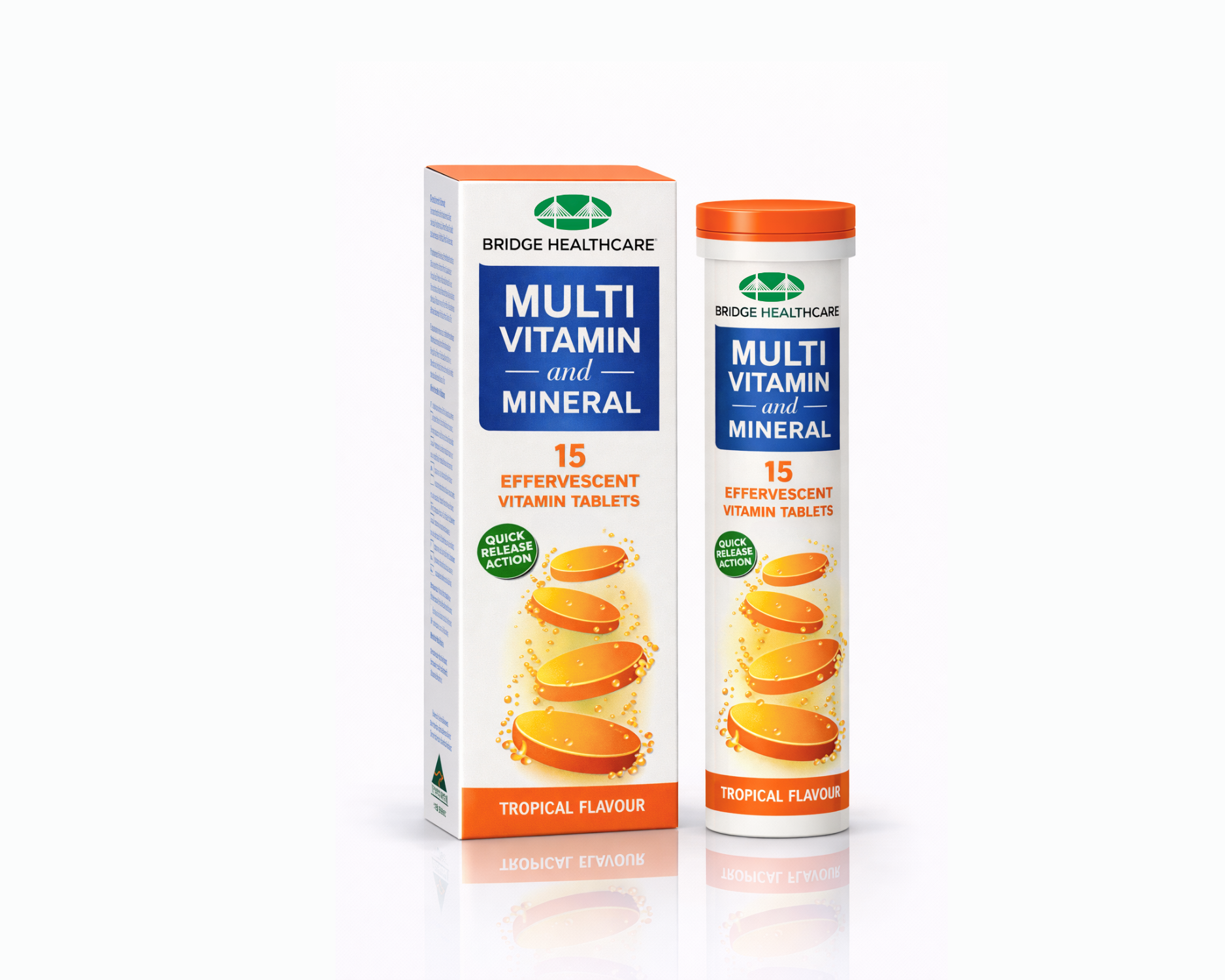
MULTI VITAMIN AND MINERAL
A complete multivitamin and mineral preparation for the prevention and treatment of general vitamin, mineral and trace element deficiencies of different origins due to increased requirements
Tube of 15 effervescent tablets
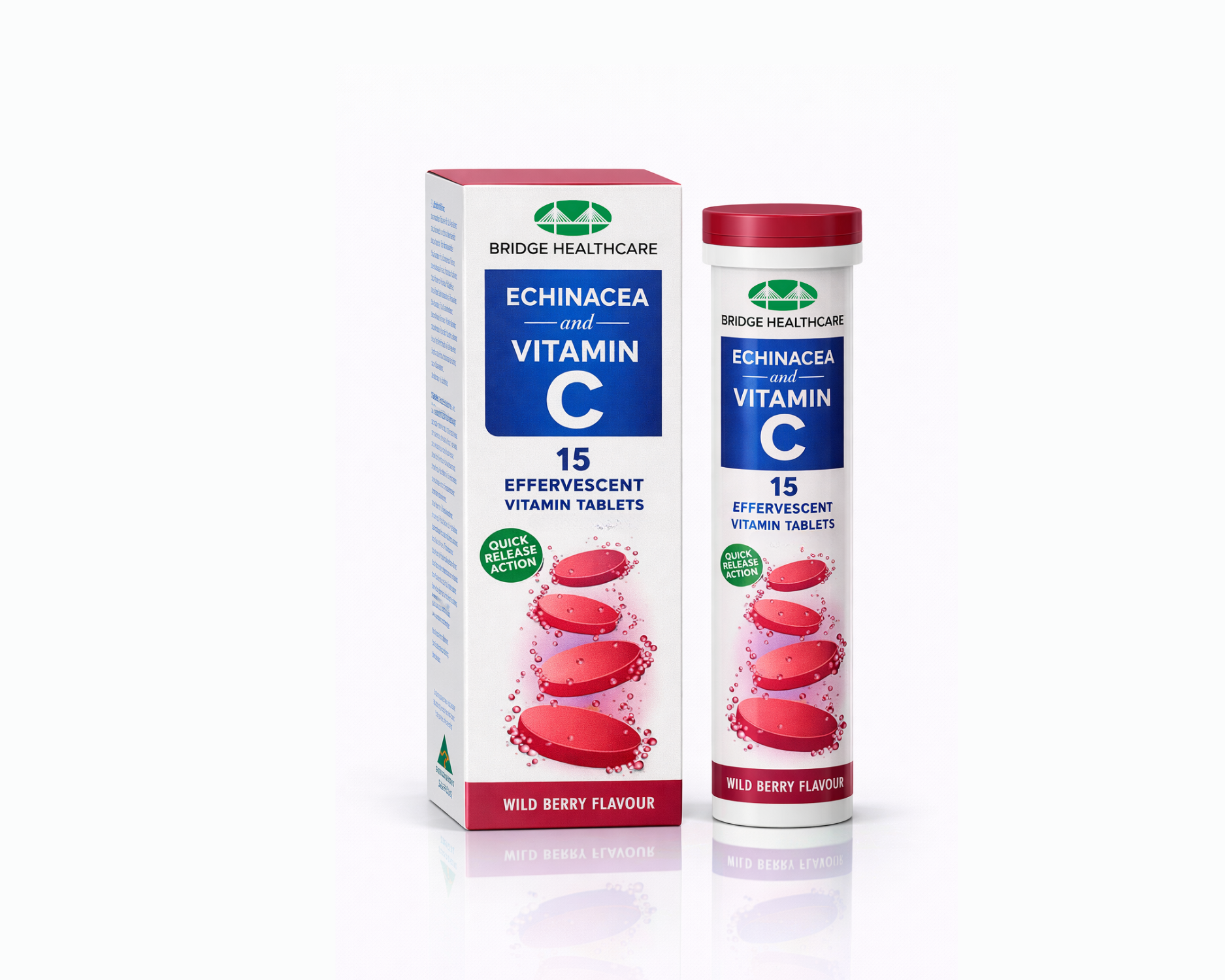
ECHINACEA plus VITAMIN C
Contains Vitamin C and Echinacea that helps to strengthen the immune system and prevent colds and flu
Tube of 15 effervescent tablets
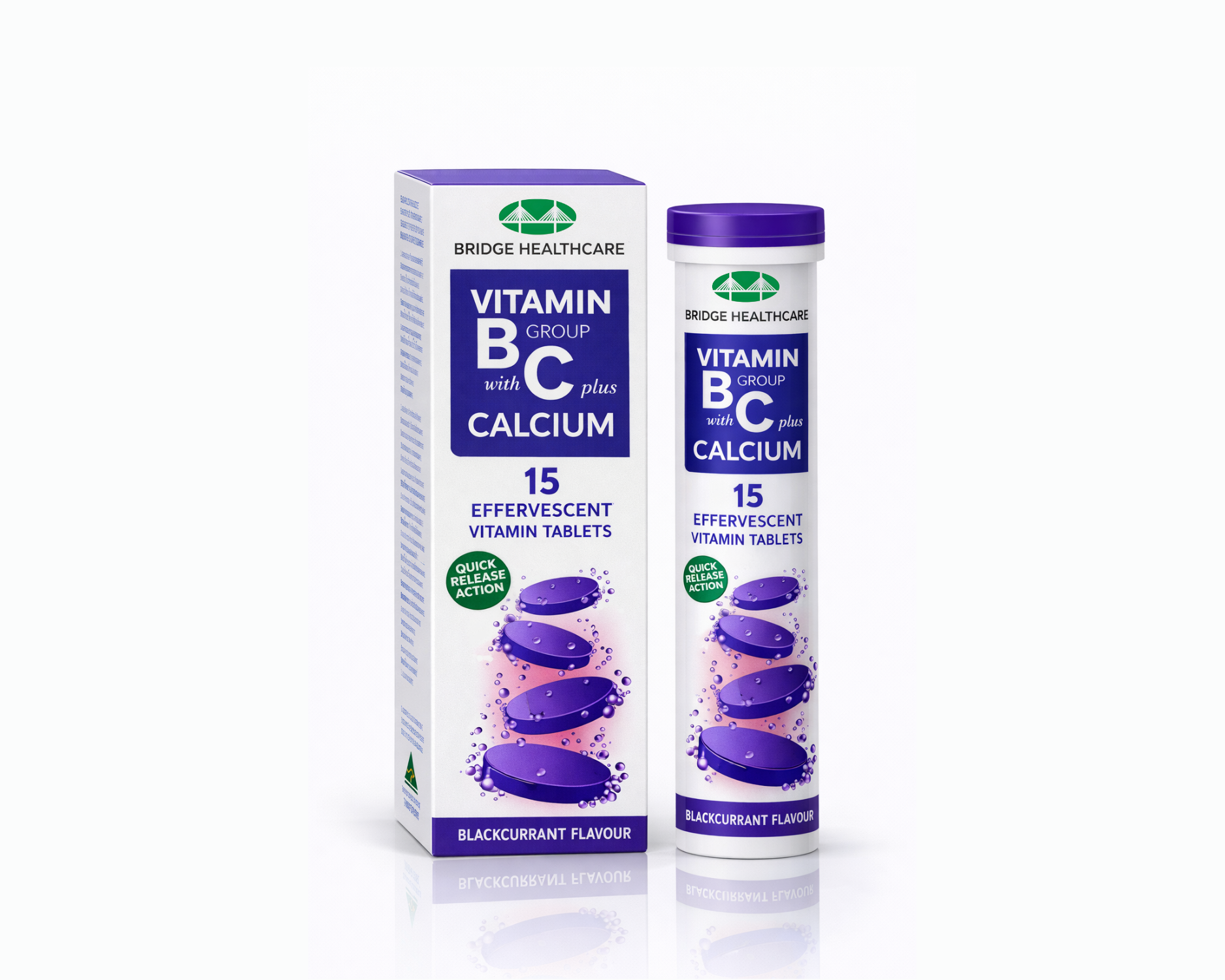
VITAMIN B & C plus CALCIUM
Contains 8 vitamins as a vitamin supplement with the added benefits of calcium. Deficiency and increased requirement of vitamin C and B vitamins. Deficiency and increased requirement of calcium
Tube of 15 effervescent tablets